
About
Corinna Heumann’s paintings derive their distinctive vitality from the unexpected yet remarkably natural encounter between the canonical imagery of art history and the visual language of popular culture. Within the rigorously balanced compositional architecture of Theo van Doesburg, a speech-bubble-bearing Donald Duck casually takes its place; in a work inspired by Niki de Saint Phalle, a voluptuous Nana encounters a delicately poised geisha alongside Henri Matisse’s languid reclining nude. Elsewhere, Amedeo Modigliani’s elegantly elongated figure appears perfectly at home upon Roy Lichtenstein’s iconic yellow sofa. Such witty, audacious juxtapositions are emblematic of Heumann’s artistic practice.
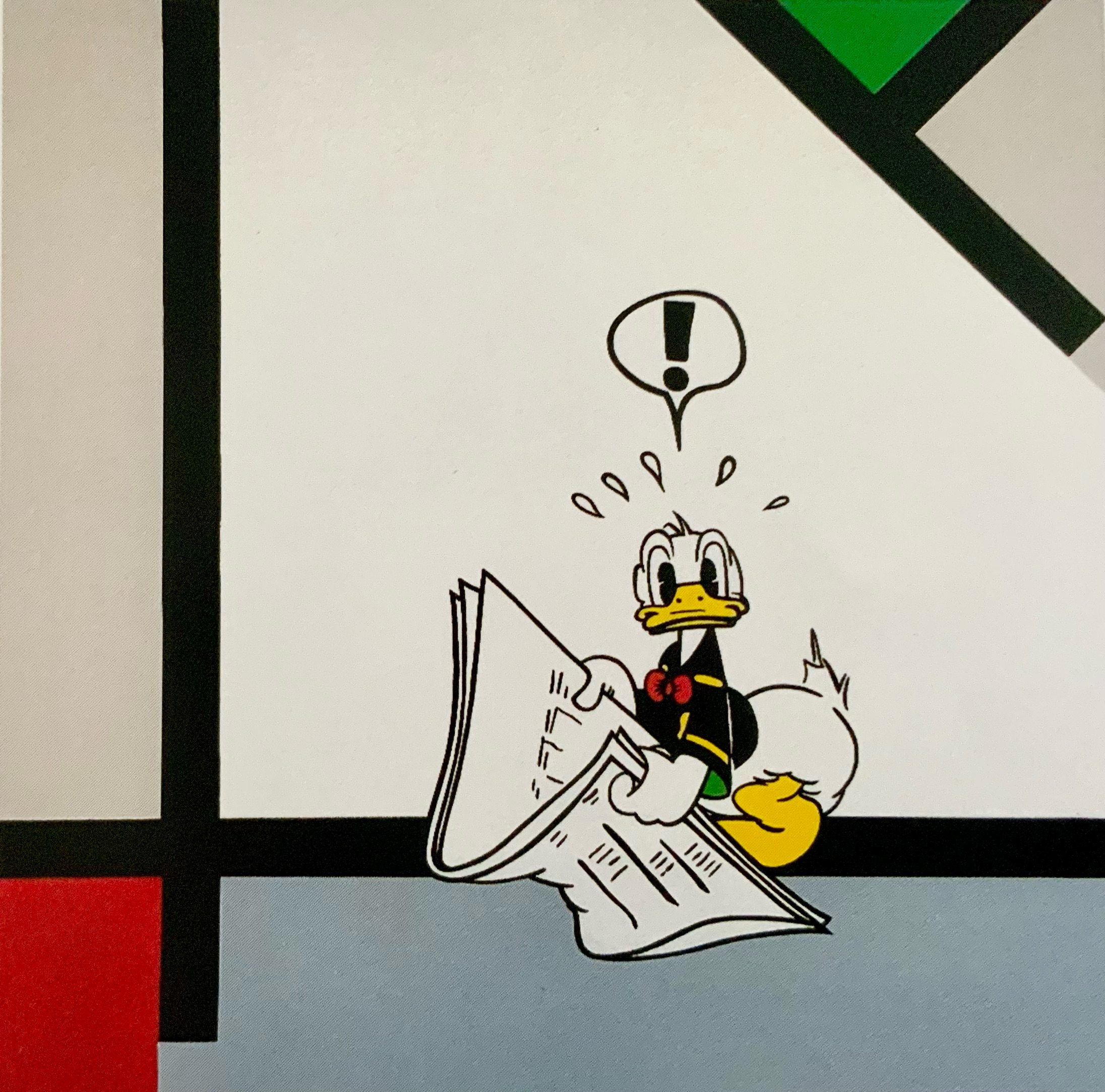
With remarkable ease and intellectual confidence, the artist navigates the vast terrain of art history, bringing together figures and visual worlds that conventionally appear irreconcilable. Pablo Picasso meets Mr. Clean; Gustav Klimt encounters Andy Warhol; Henri de Toulouse-Lautrec shares the pictorial stage with Wilhelm Busch’s “Teacher Lämpel.” What initially seems irreverent reveals itself instead as a sophisticated dialogue between high art and popular culture, between historical memory and contemporary visual experience.
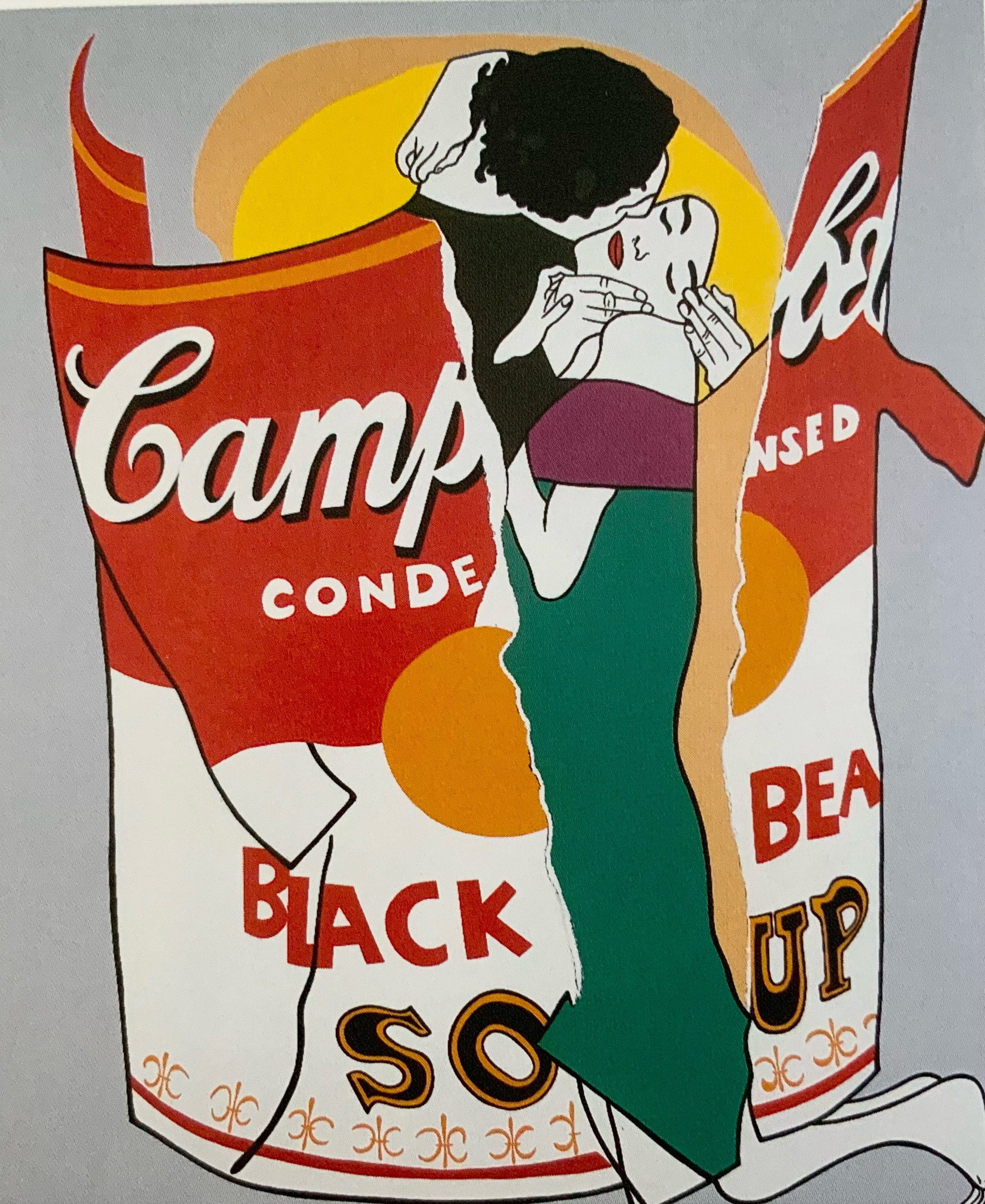
This refreshingly unburdened engagement with the great icons of twentieth-century art is inseparable from Heumann’s formative years in the United States. Following her studies at the Corcoran School of Art in Washington, D.C., a scholarship brought her to New York, where she encountered not only leading figures of the international art world but also a younger generation of artists and proponents of what was then known as Context Art. The American willingness to regard art history not as an untouchable canon but as an open and evolving field of reference proved both liberating and inspiring. It enabled Heumann to distance herself from the imposing legacy of the dominant patriarchs of post-war German art - Joseph Beuys, Markus Lüpertz, Georg Baselitz, and Anselm Kiefer - whose near-mythic status she gently undermines through irony, wit, and playful detachment. In doing so, her work offers a subtle yet incisive challenge to a German art establishment that has long been shaped by predominantly male narratives and perspectives.
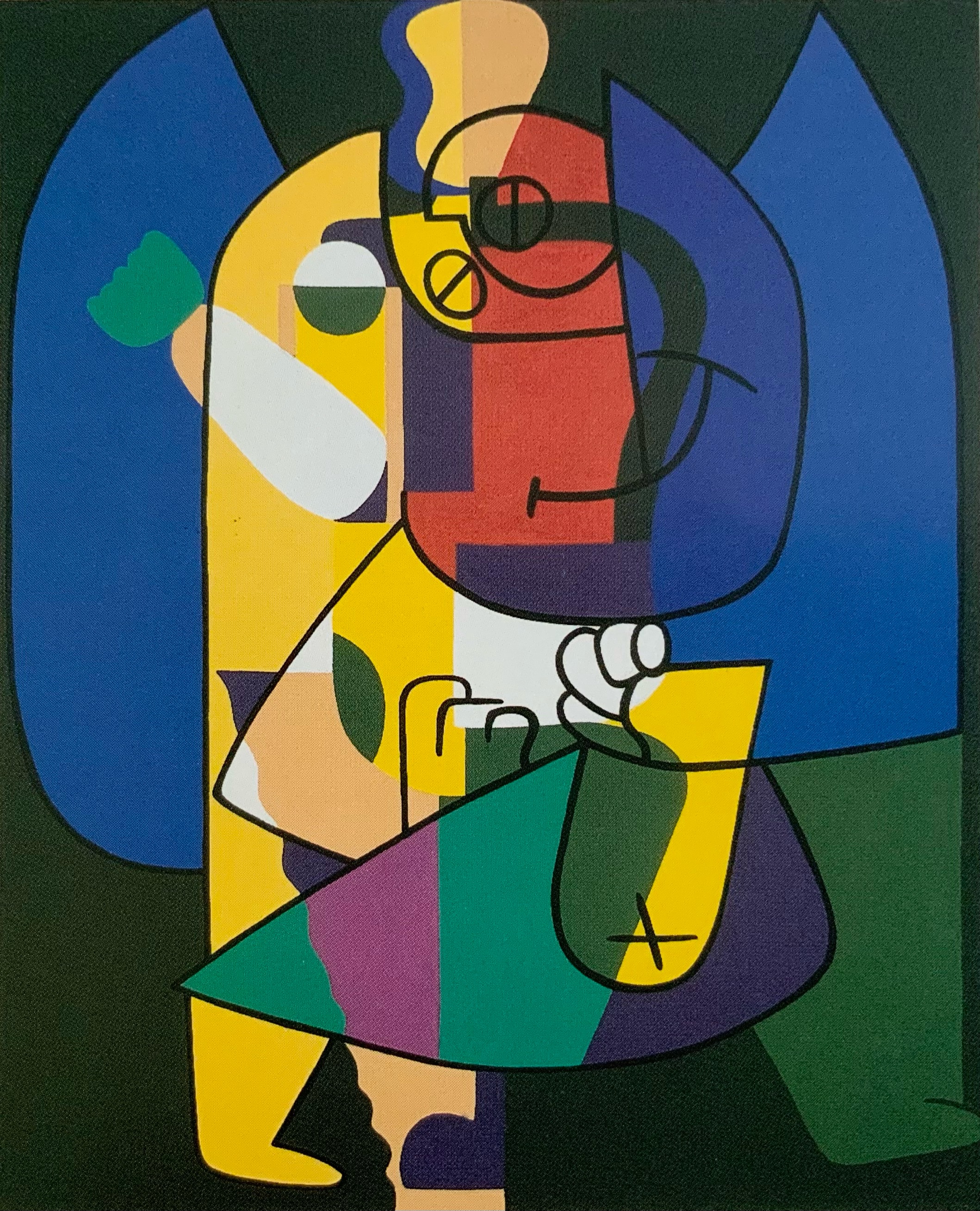
Her paintings should therefore also be understood within the broader artistic discourse that emerged in New York during the late 1980s and early 1990s. Questions surrounding the visibility and recognition of women artists - forcefully articulated by groups such as the Guerrilla Girls - formed an essential part of the cultural climate in which Heumann developed her artistic voice. Yet unlike many of her contemporaries, she avoids polemic and accusation. Her reflections on art history are distinguished by elegance rather than indignation, by humour rather than confrontation. Their persuasive force lies precisely in their lightness of touch.
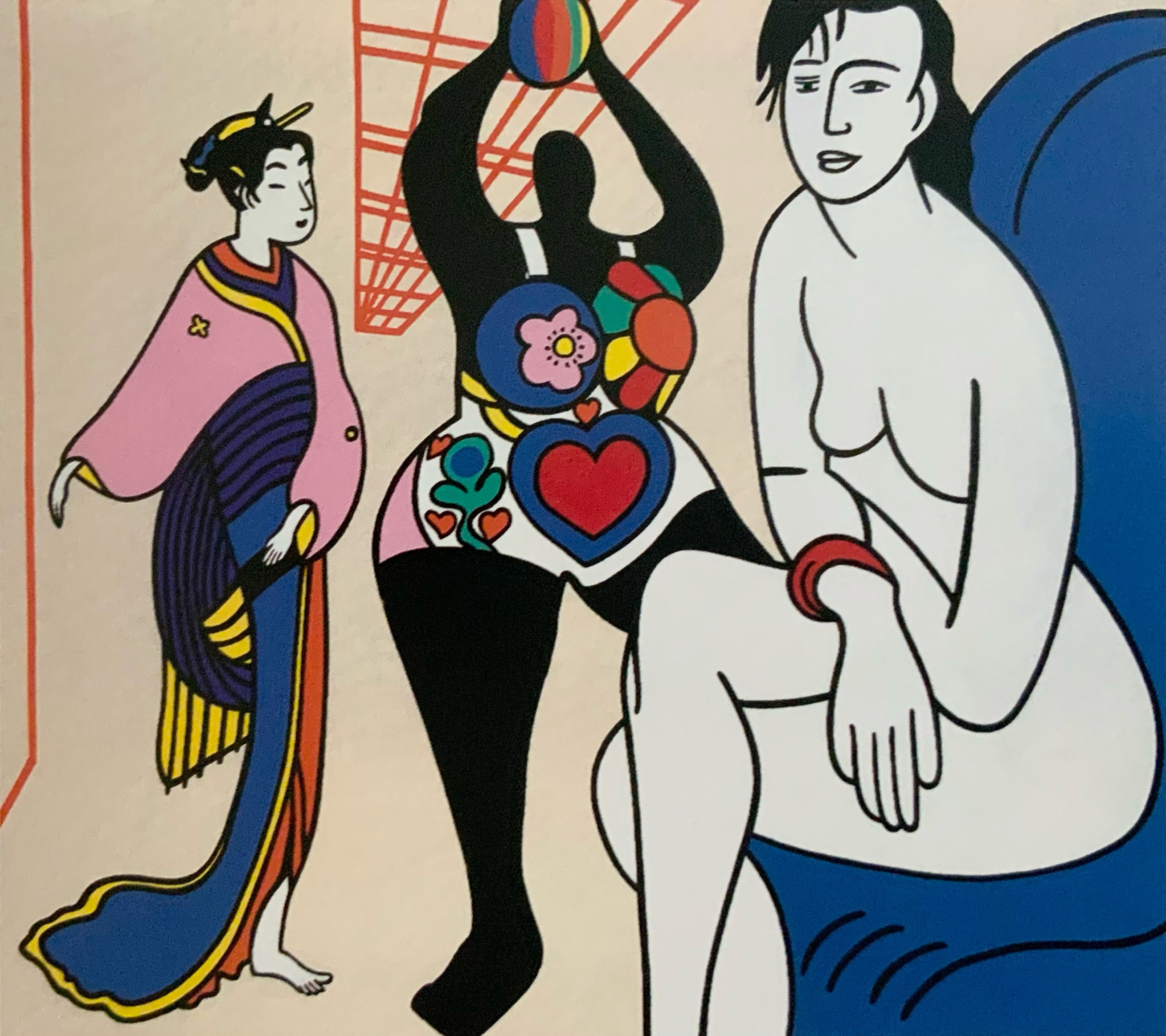
Within the broader trajectory of contemporary art, Corinna Heumann occupies a compelling position among those artists who have redefined the relationship between originality and quotation, authorship and appropriation, artwork and context. While much of twentieth-century modernism upheld the ideal of absolute innovation and rejected repetition as antithetical to artistic creation, the final decades of the century witnessed a profound reconsideration of these assumptions. Quotation, reinterpretation, and the productive reuse of existing imagery became central artistic strategies.
In this respect, Heumann’s work resonates with that of the American Appropriation artists, with Elaine Sturtevant’s meticulously recreated versions of works by Warhol, Lichtenstein, Stella, and Johns, and with Steven Prina’s ambitious project The Complete Paintings of Manet. Like these artists, Heumann engages with images that have become deeply embedded within our collective visual consciousness. Following the legacy of Pop Art, she places masterpieces of Western painting alongside the familiar icons of consumer culture and advertising - Mickey Mouse, Mr. Clean, and other universally recognisable figures. In her aptly titled painting Recycling, this sophisticated game of references reaches another level: she reproduces a Lichtenstein figure that itself derives from a portrait by Pablo Picasso, thus creating a multilayered chain of artistic quotations.
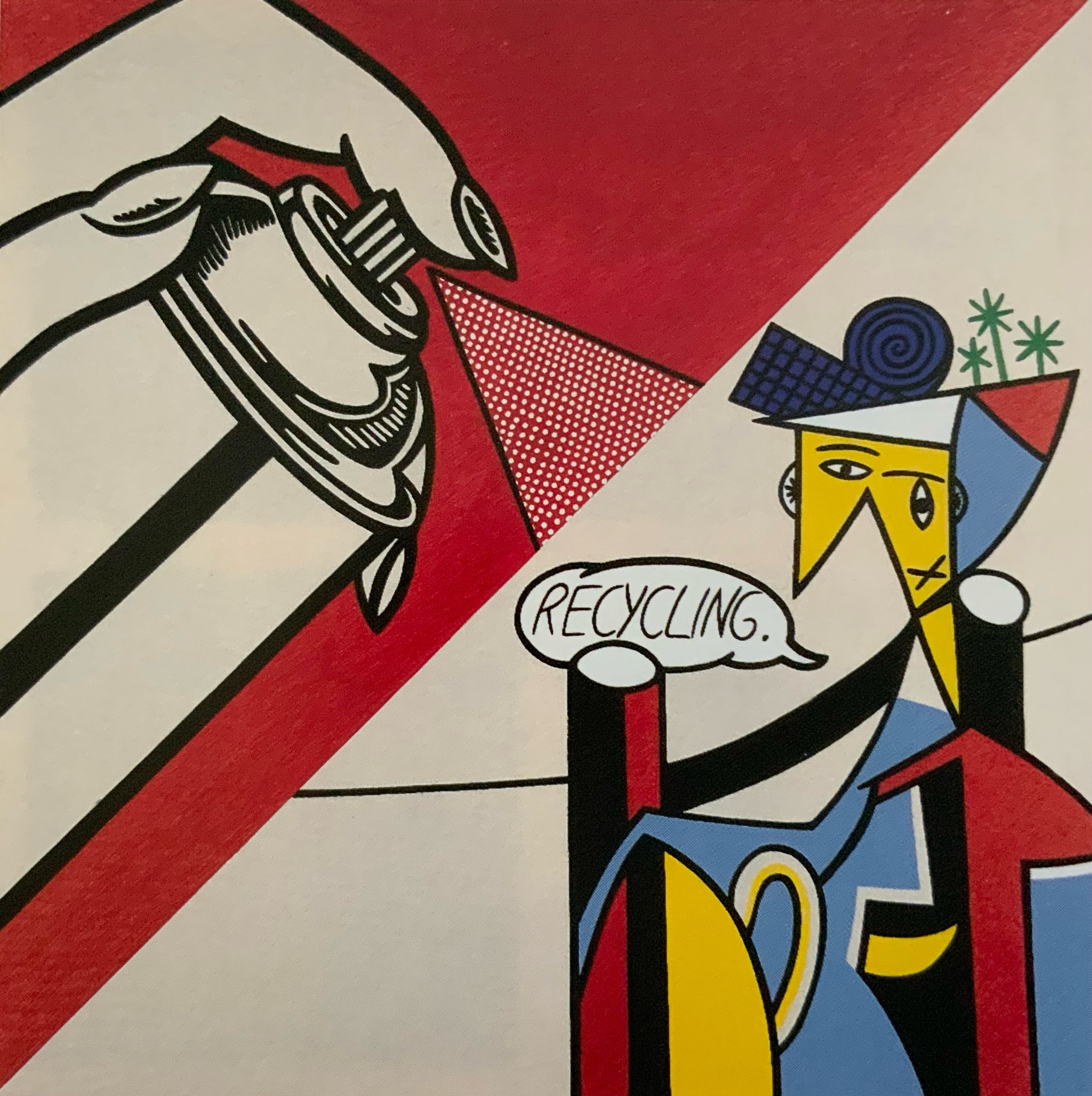
What ultimately distinguishes Corinna Heumann’s work is that its vibrant humour, visual exuberance, and apparent irreverence are grounded in a profound understanding of the intellectual and artistic traditions of the Western world. Her paintings are far more than playful visual jokes; they are carefully orchestrated recompositions that invite fresh readings of familiar masterpieces. They unite irony with seriousness, wit with scholarship, and aesthetic pleasure with critical reflection. Above all, they articulate the confident voice of an artist who engages with the overwhelming legacy of art history not through imitation or reverence, but through an independent, intelligent, and unmistakably contemporary vision.
Dr. Maria Linsmann, 1996, Museum Schloss Morsbroich
Translated from German